
Eat Up!
Have you ever looked at a picture like this and asked yourself:
“How did we get here?”
Yeah, so did I. But “get here” we did.
As you all know, I post LOTS of stories about mega food like this:
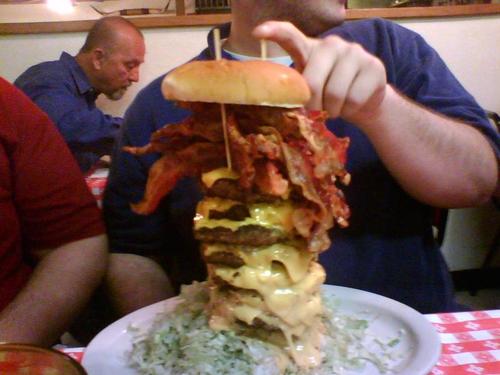
And I’m a bit obsessed with Mr. Sato – more on him in a moment, but what a yakitori that is!

These pictures show how much fun we can have with our food, but how did we get here? Well, I found out when I read this terrific book that tells you the story of our food – with a very straightforward title:
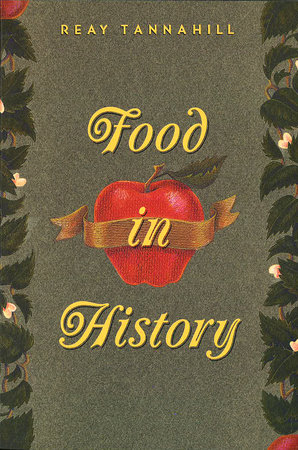
“Food In History”, by Reay Tannahill
Here is what a reader said about this terrific, comprehensive look at food:
“‘Food in History’ is an excellent introduction to a piece of human history that is probably so obviously important it’s not widely researched: the crucial part that food played and plays in human society.”
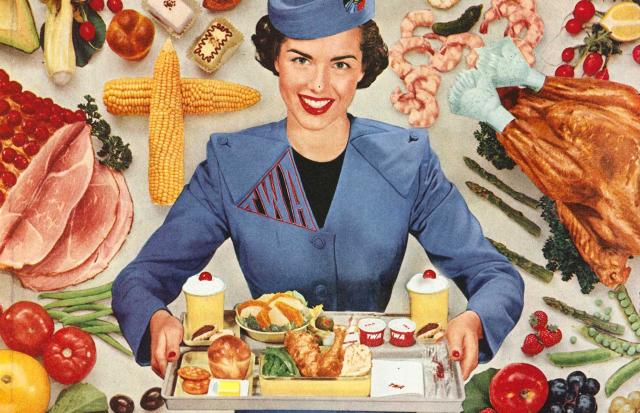
“The Crucial Part That Food Played And Plays In Human History!”
And crucial it is, because as my bio says “everyone eats!” What what we eat and why is a fascinating subject!

Because every time you wonder who exactly came up with the idea of cracking open an Oyster and eating it raw, then this is the book for you!
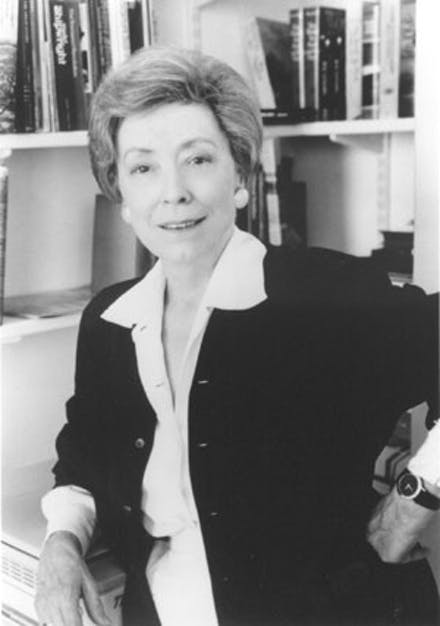
Author Reay Tannahill was born in Glasgow, Scotland, and wrote many books, including this one published in 1973. She tackled the subject of food around the world and the factors that have influenced what and how we eat.
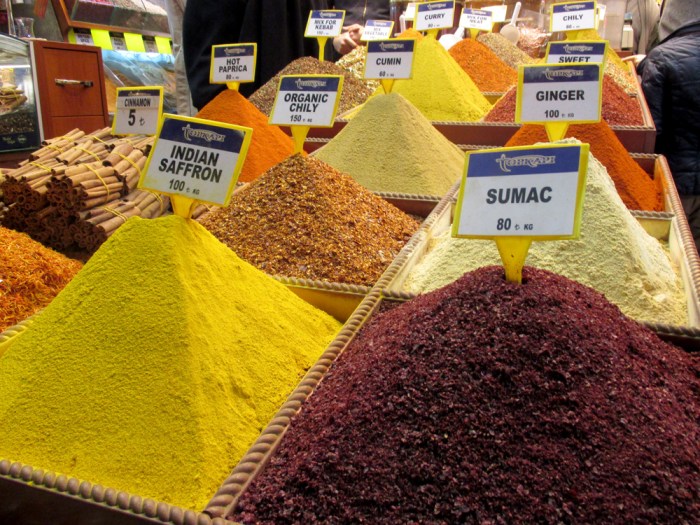
You will learn about how the spice trade was a leading factor in the “Age of Exploration”, and that the subject of crop rotation in the early Middle Ages “killed more than one child’s interest in history”- as the author rightly points out!
But Tannahill goes much farther than that in a very entertaining way, showing the development of eating habits from neolithic man up to the early/mid 20th Century. Along the way, the author points out some truths that will be unpleasant to the food faddists of the early 21st Century:
Humans ARE omnivores by evolution, and salt is also an evolution-induced craving, innate in us, NOT learned.
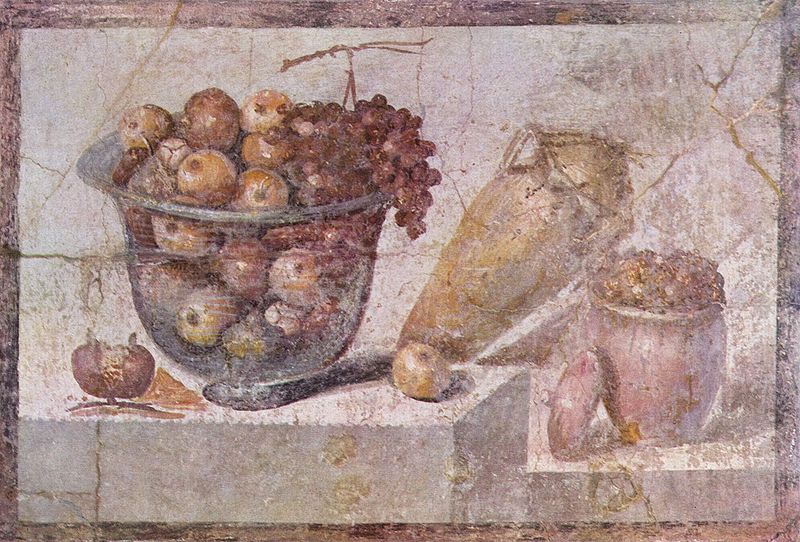
In a survey like this one, it can’t do justice to EVERY culture’s cuisine, but it does come close. Roman, Arab, Indian, Asian, and the influence of the Americas on European foods are well covered. The prose is lively, much wittier than I thought it would be given the subject, but also scholastic – so I believed what I was reading.
Look at just a few of the topics covered:
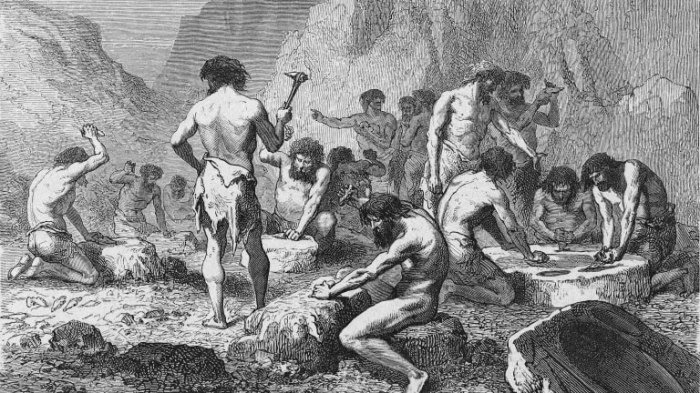
Food And Cooking Before 10,000 BC
Talk about old food! Tannahill digs into life – and eating – in a prehistoric time.
And speaking of “old food”, did you know that the cultivation of the olive began 6,000 years ago along the Mediterranean?
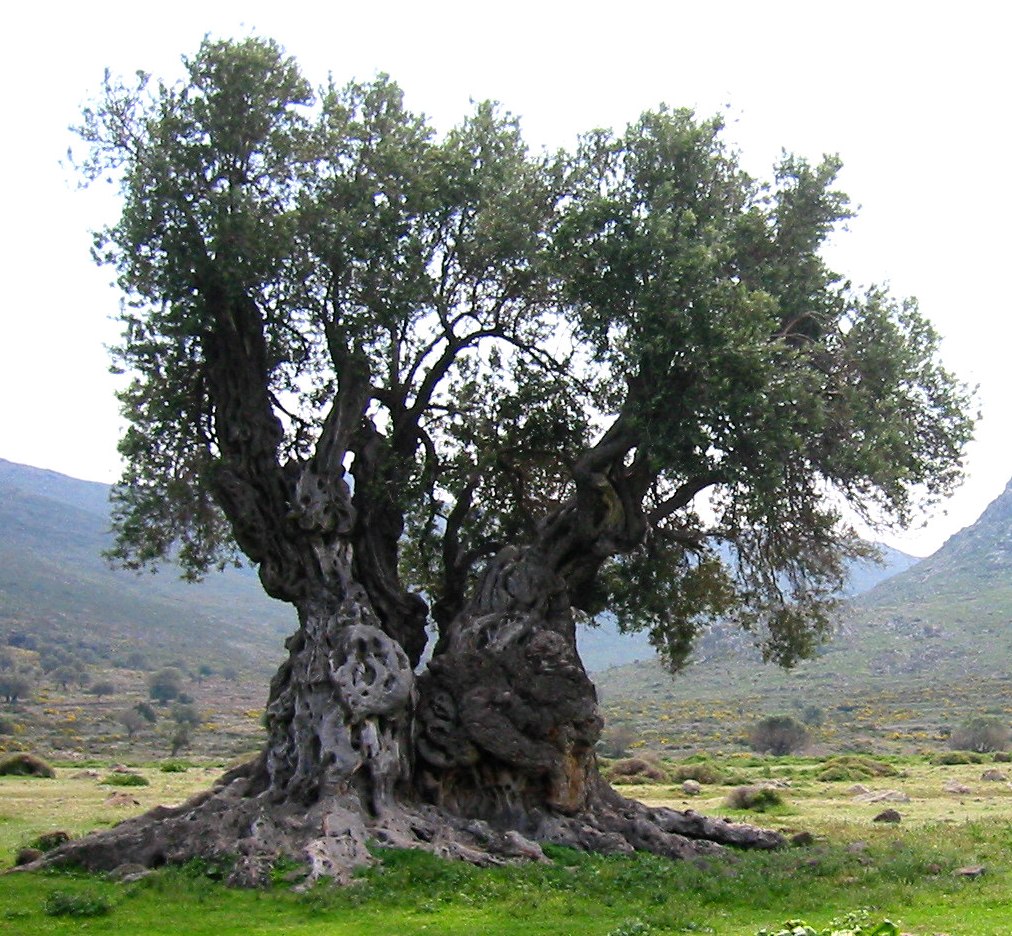
As someone who LOVES olives of all shapes and sizes, it was interesting to get a brief look at where the importance of olives began…and of course, the book discusses another important “food group”:
US!
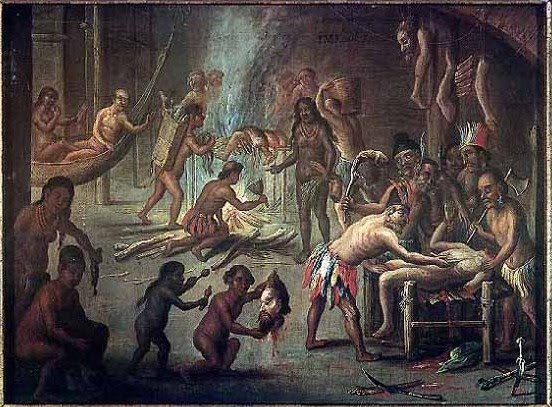
Cannibalism!
Yes, at one time in our world’s history, we were ALL on the menu! The book uses all of the world’s history to tell us how and who we ate to get where we are today!
In fact, there are parts of the world that reported cannibalism into the 1970’s, so think about that!
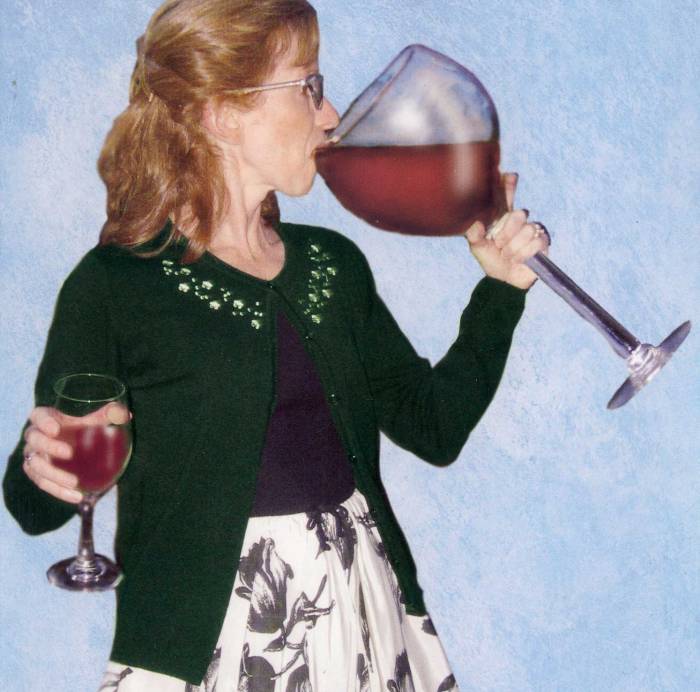
How Drinking Began!
And perhaps the most important chapter of the book: Tannahill talks about alcohol around the world – how and why is was consumed…
Yes, the book includes these words of wisdom:
“Drinke is their whole desire, the pot is all their pride, The sobrest head doth once a day stand needfull of a guide.”
And how can you argue with that?
See all of the great health benefits of wine by clicking on my story here:
After the international success of “Food in History”, she published a revised edition of “Food in History” in 2002 as well.
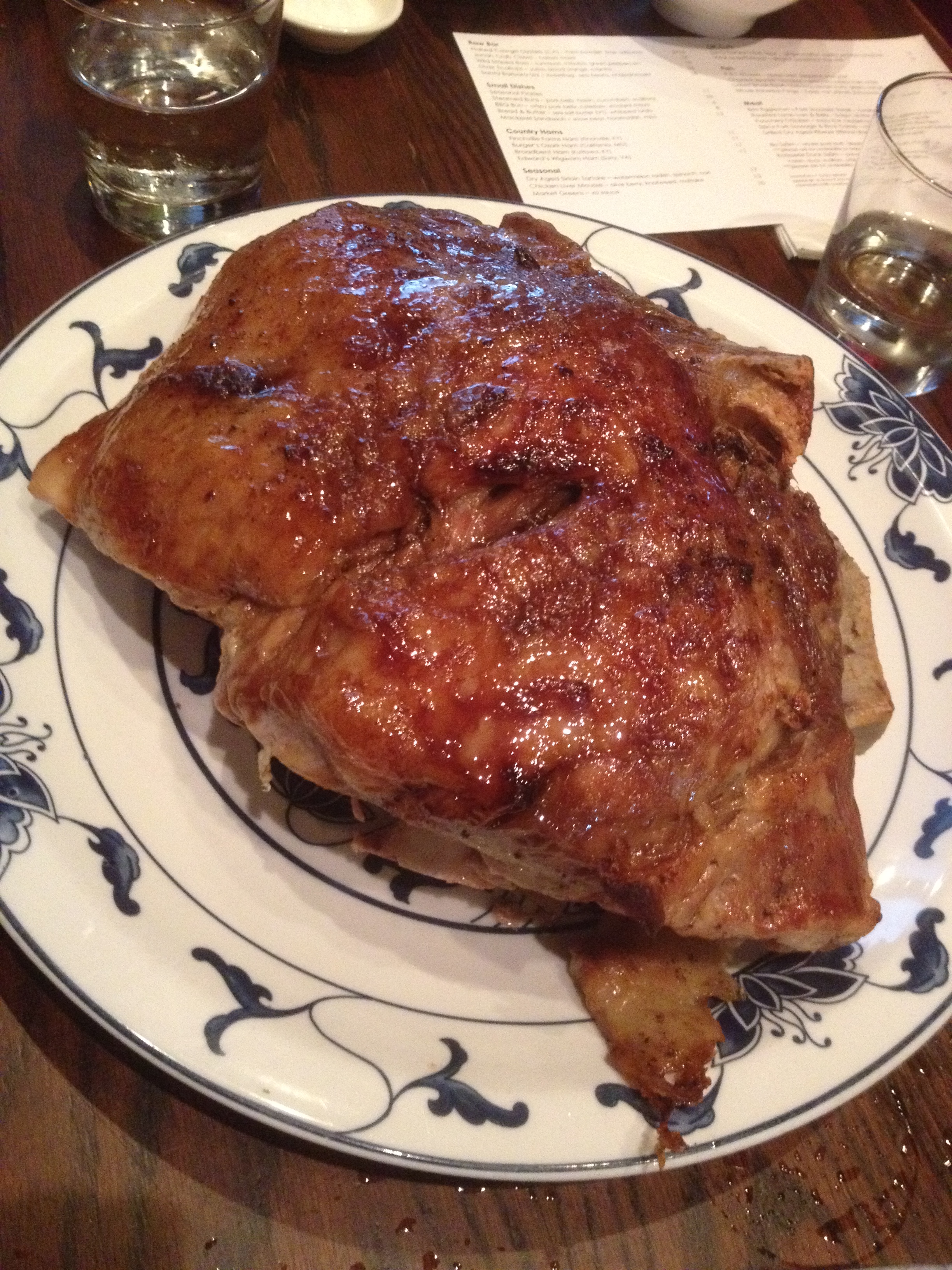
Oh, and about this picture:
Yes, that is one HUGE chicken stick! Mr. Soto is holding g a “mega-yakitori”, and if you want to know why, click on my story here::
And back to Oysters, which it really is hard to imagine who made the decision to crack open and slurp down the first one, you know they are incredibly good for you, right? And they will help rebuild the world too! See how here:
If you enjoy these posts, why not subscribe and never miss out? It’s easy, and there are NO ads of any kind, just stuff I like – from food to travel, pop culture, wine and more food…click on the main page and “follow” me on the upper right…
Cheers to “National Wine Day!”
Thank you for following along on my culinary journey. If you like the story, share it with friends on social media! Thanks!
Let me know if you plan to dip into the “history of food!”
Categories: Alcohol And Bars, Bite Eat Swallow, Bite! Eat! Repeat!, Books / Media, Chef memoirs, Food, Food Writing, World's Wildest Food
 Bite! Eat! Repeat!
This really does sound very interesting, John. Thanks for sharing about these books.
I’ll leave the giant yakitori if I may BUT am very interested in the Tannahill book – shall do homework as soon as time permits and suggest it to others if it proves as interesting as it sounds – thanks !
I love learning about this stuff, so think I’d find this book fascinating! I often wonder about who was the first one to try this or that? and how many people had to eat a certain thing that made them sick or killed them before the chose the right thing to eat? of figured out they couldn’t eat it raw, etc.?
Really interesting. Thank you for sharing
As always, thank you so much for commenting, it’s great to hear from you!
Sounds like a fun book!