Fresh Seafood…At A Dangerous Tipping Point…
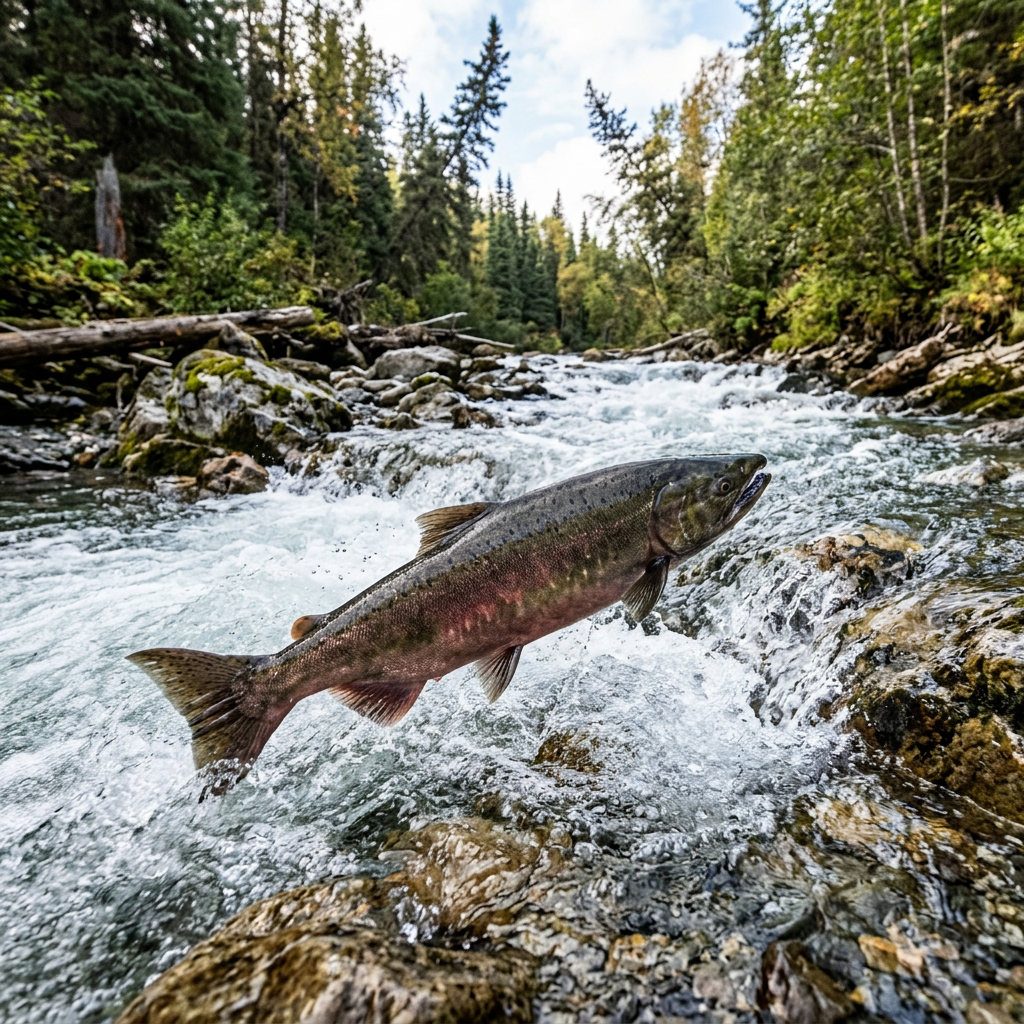
The beauty of a wild salmon headed upstream to spawn – an annual pilgrimage that has been happening since the beginning of time…a beautiful creature that happens to taste very good and should be very healthy for you as well…until this:
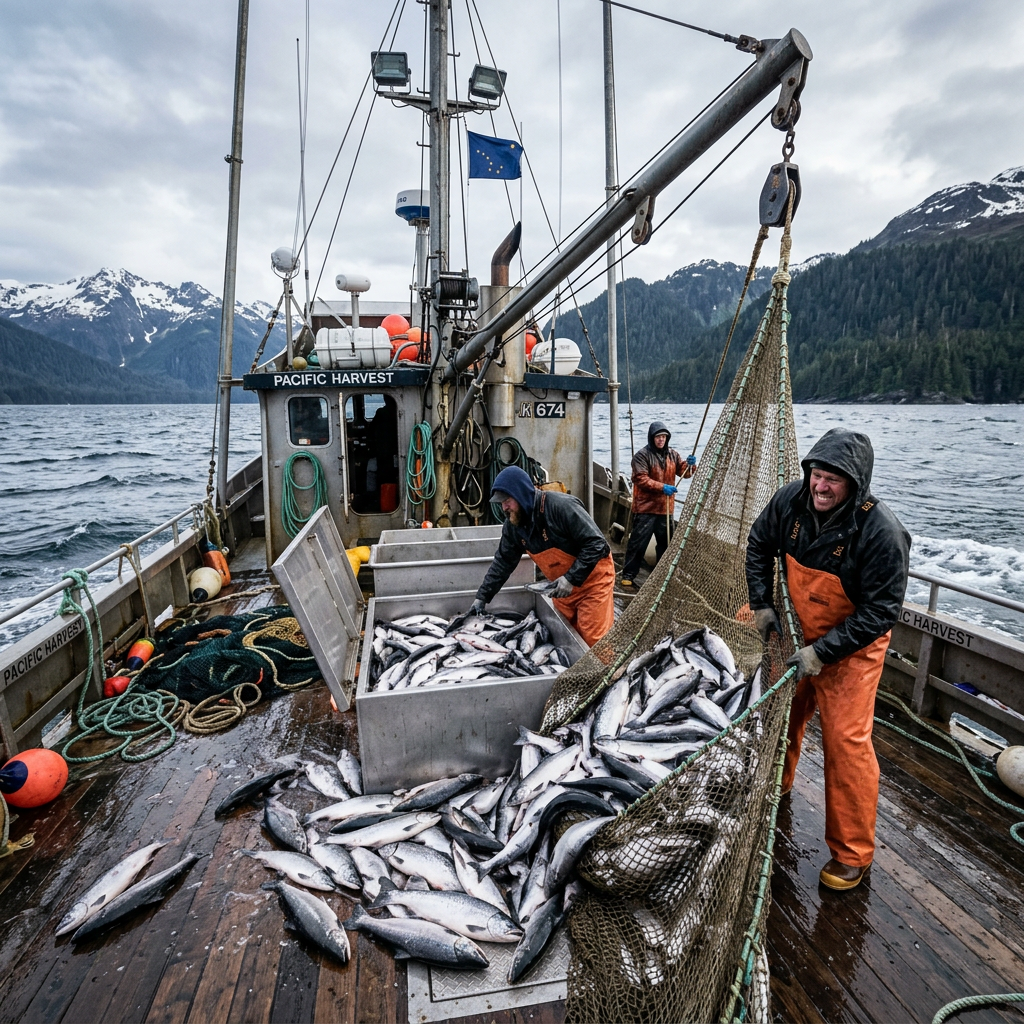
The New York Times has a shocking look at what “farmed fish” is doing to us – sobering and shameful!
As they report:
“Global consumption of fish has doubled in the last 60 years. Unsurprisingly, that is having an effect on the number of fish in the sea. Something like a third of the world’s stocks are being harvested at unsustainable levels.”
So, as we ravage our oceans and deplete all of the fresh fish, what do we come up with?
THIS.
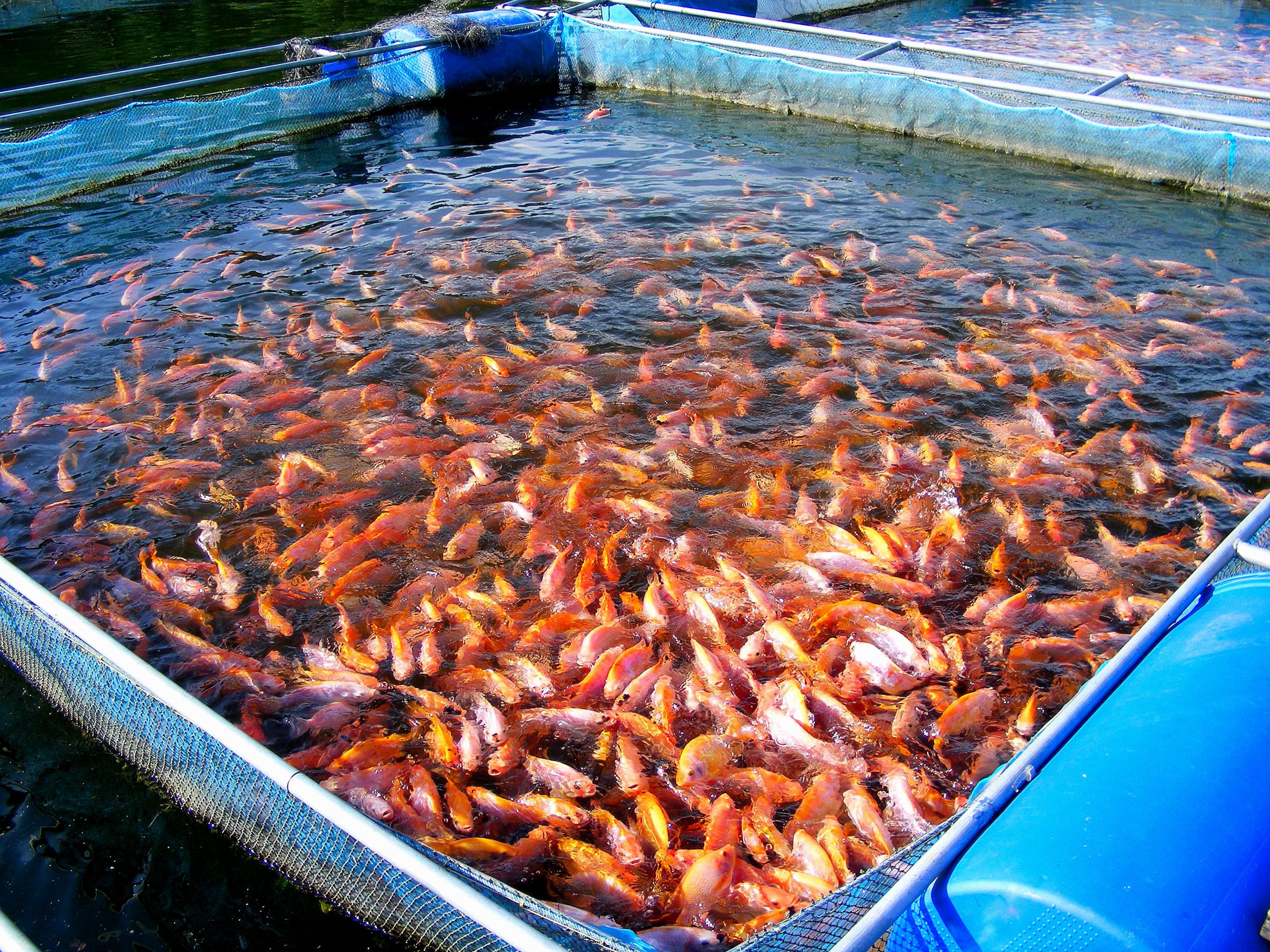
The Danger Of “Aquaculture!”
Those are fish packed into an outdoor pool of water…these “fish farms” are everywhere around the world – and you should be very, very concerned.
As a very sobering New York Times Article today says:
“Aquaculture, meant to relieve the pressures of overfishing, is actually making overfishing worse. Beyond this, a new investigation shows that it is powered by murky, dangerous, environmentally destructive and sometimes illegal economic engines.”
The Times then asks this devastating question:
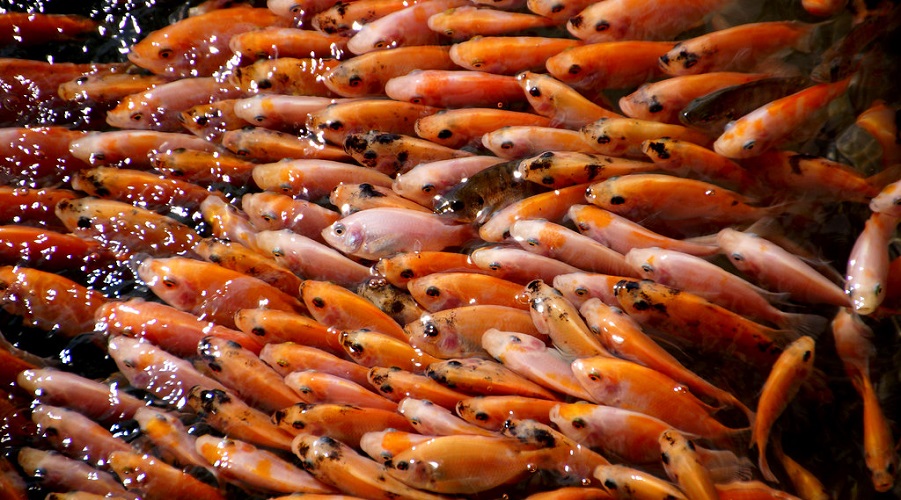
What do you think those farmed fish eat? Wild fish, harvested all over the world and ground into fish meal. They eat a lot of it. At some Norwegian fish farms, for example, a single salmon might consume up to five times its weight in fish meal as it grows to market size.”
The Times reports on an investigation led by Ian Urbina, a former Times journalist who for years has run the Outlaw Ocean Project, an investigative journalism nonprofit based in Washington.
Among the most concerning facts shared:
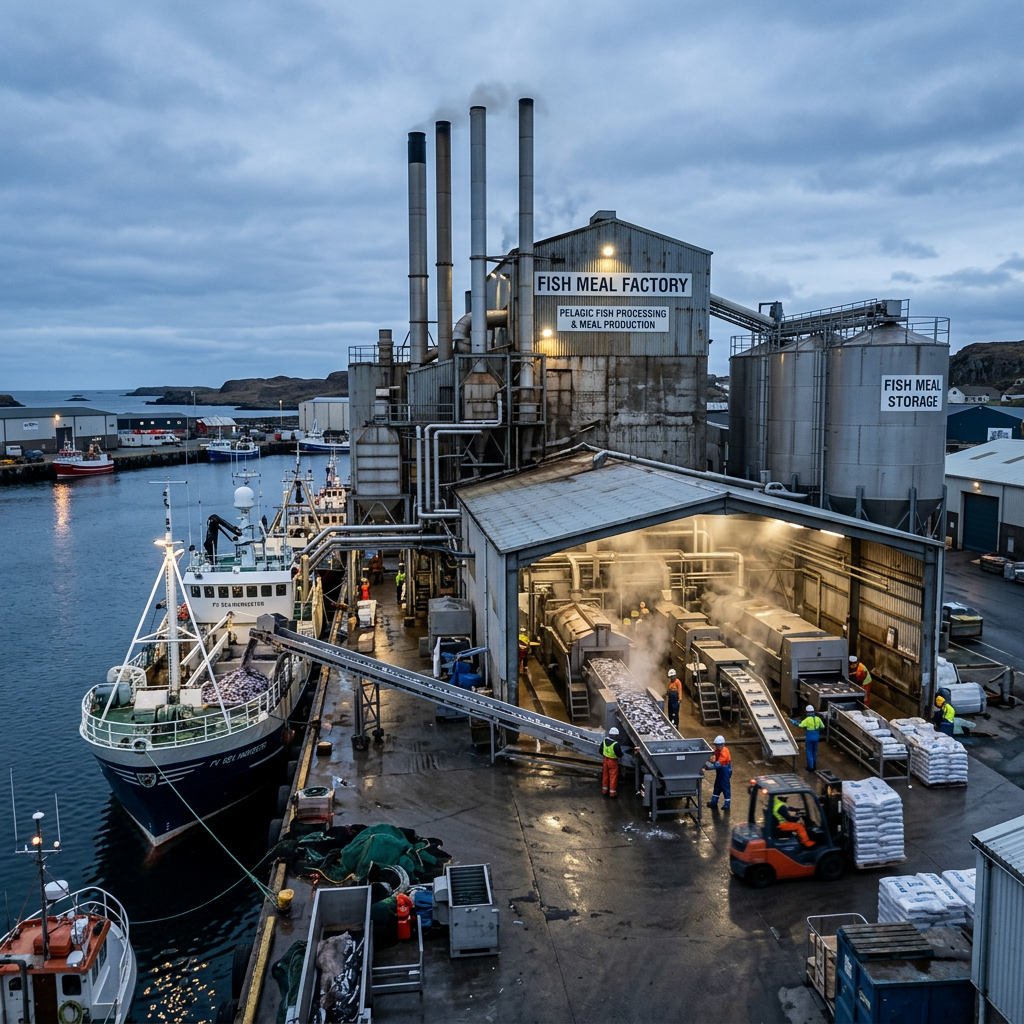
There are 1,400 fish meal factories around the world. Ian’s team visited some in Peru, Gambia, India, Indonesia, Mauritania, Senegal and Thailand. Workers in them shovel mounds of decaying fish into giant machines that cook them, press them dry and grind them into fish meal. That’s not just smelly work. It’s a health hazard. The awful stench of rotting fish, which radiates for miles in every direction, comes from a chemical that has been found to be carcinogenic.
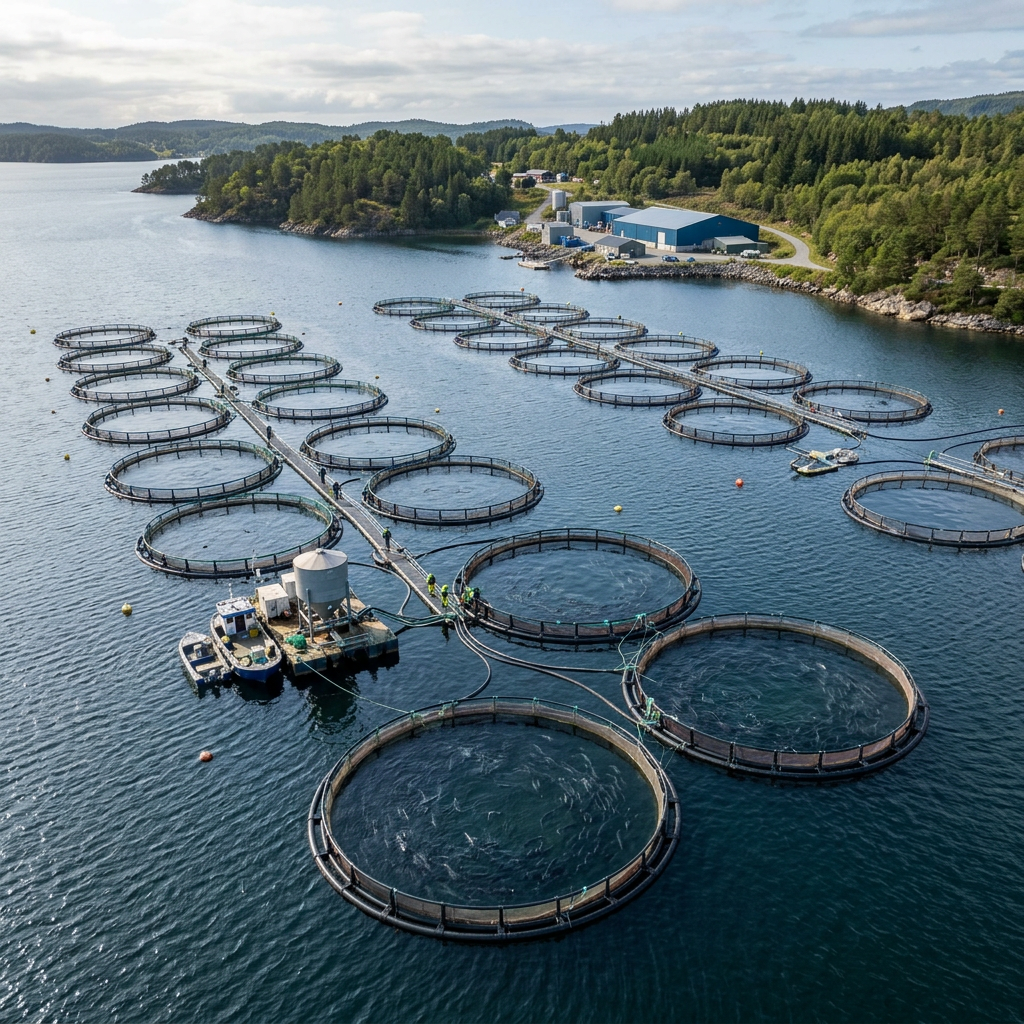
Aquaculture facilities are where the stinky fruit of all this labor ends up — sometimes well inland from the sea, as in China, which has made remarkable progress in fish farming. (They use a lot of antimicrobials and antiseptics, though, which bring other dangers.)
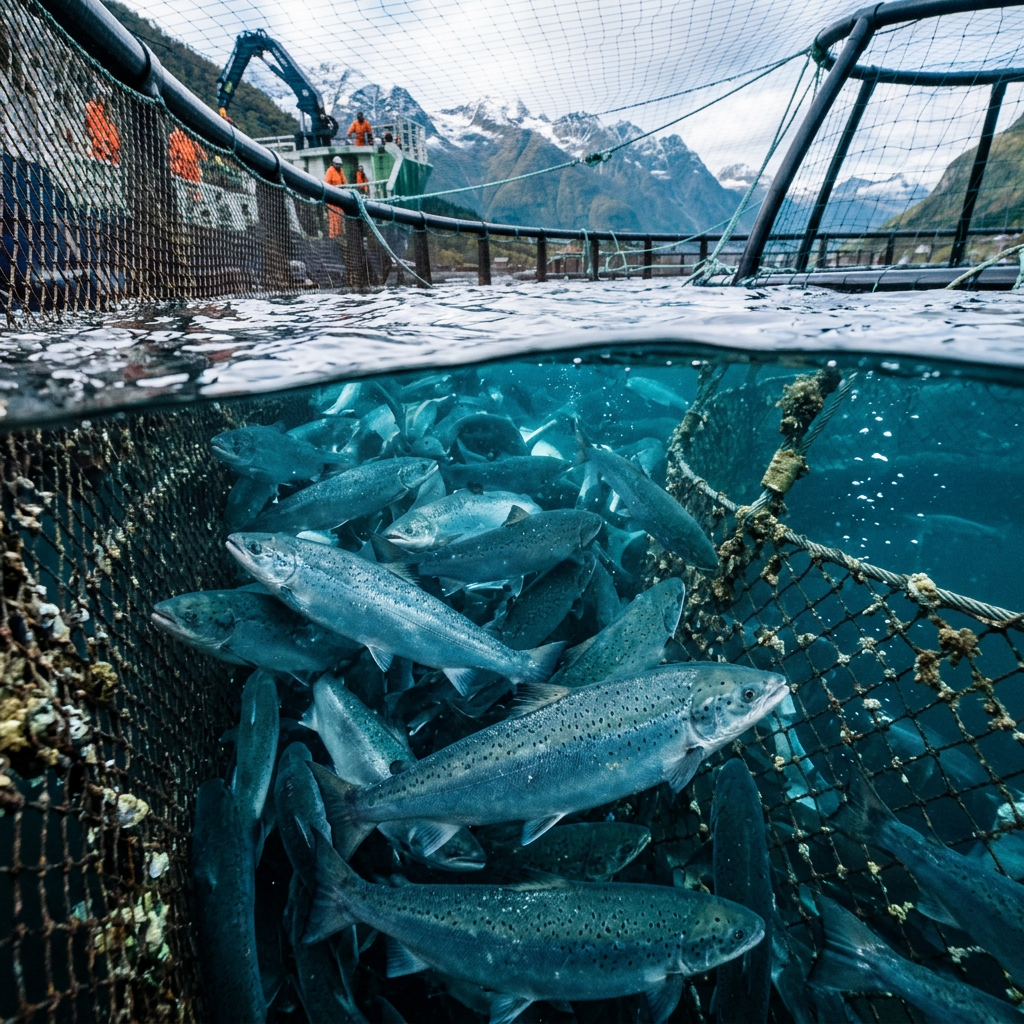
In Norway, by contrast, fish farms are made up of huge pens in the open ocean. Fed a diet of fish meal, the salmon within them produce, Ian writes, “three times as much waste in a year as the country’s 5.6 million residents flush down their toilets.” That sewage falls to the ocean floor, where it forms a toxic sludge that asphyxiates all beneath it.
Even more worrisome, the United Nations says that by 2035, almost two-thirds of the seafood eaten worldwide will be farmed. Most of it will likely be raised on fish meal.
So its more vital than ever to only eat seafood one way:
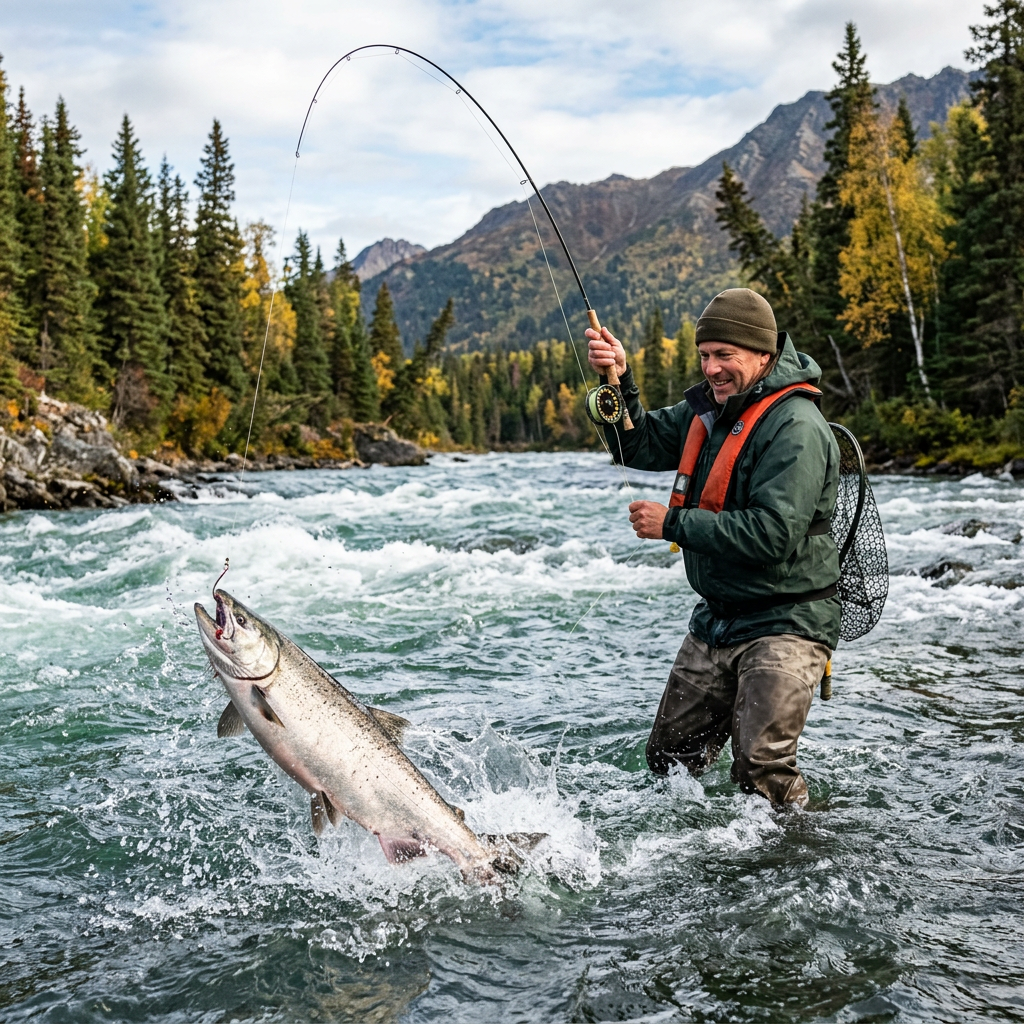
Freshly Caught!
Shop at stores that clearly indicate how the seafood was raised and processed…does it cost more? Yes of course, but it’s also healthy, and allows you to make this deliciously healthy meal:
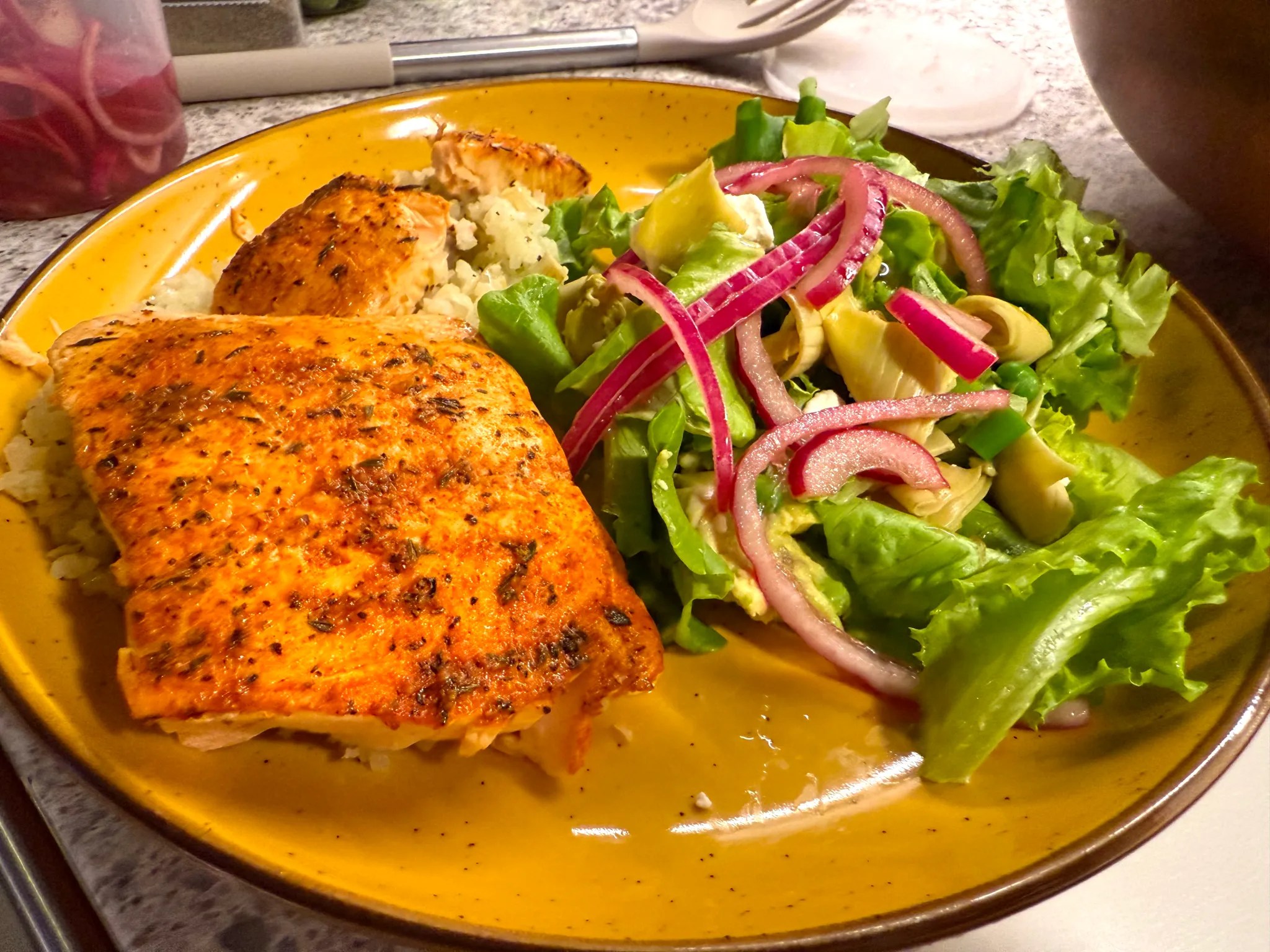
Fresh salmon and lots of fresh vegetables makes for a tasty and healthy meal!
See the recipe here:
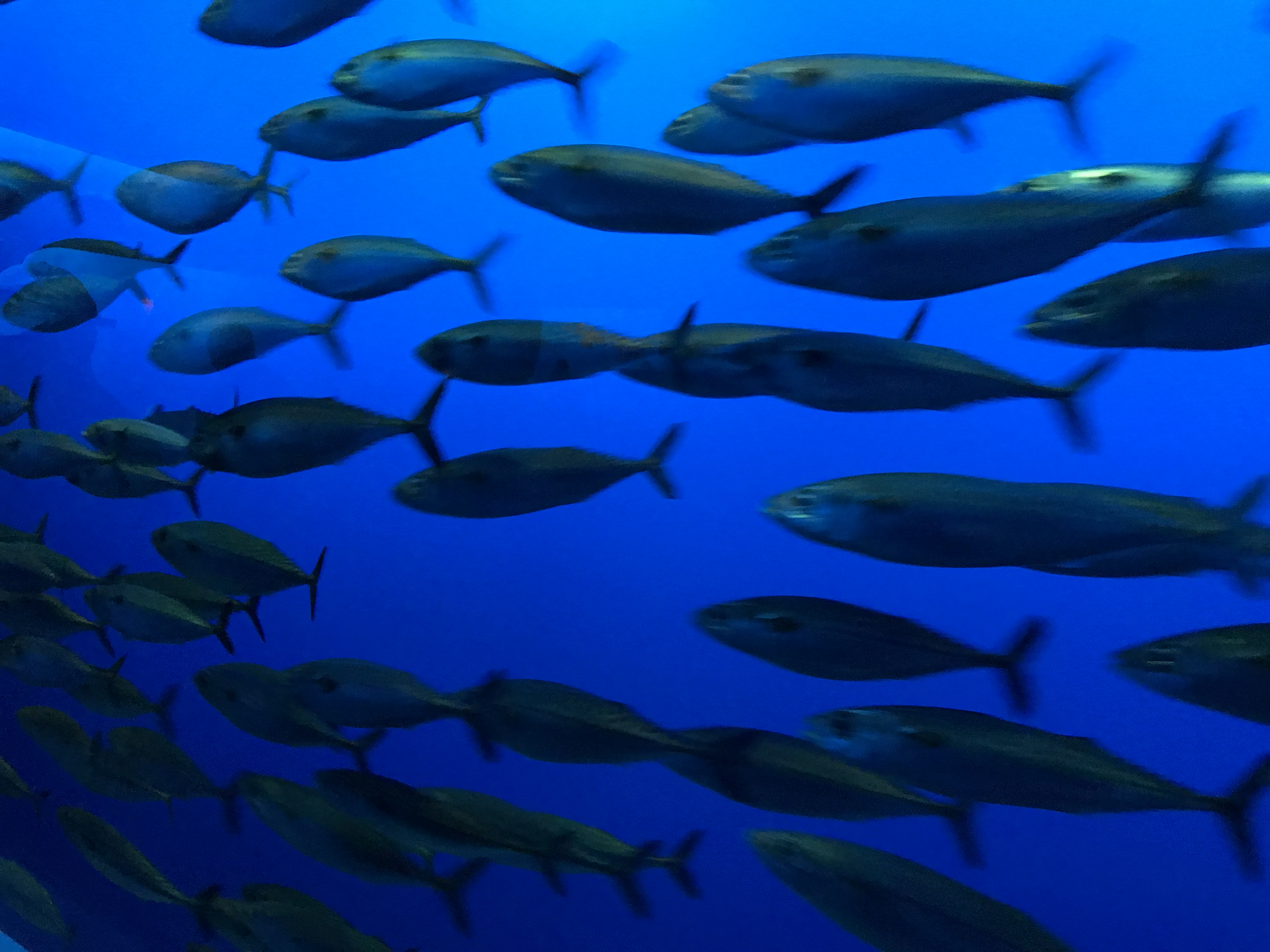
Back to how we harvest fish – and why we must save these species!
Look at these fish living peacefully in California’s Monterey Bay Aquarium:
Scientists help us figure out how to save these species using sustainable harvesting methods…so that you can safely cook this:
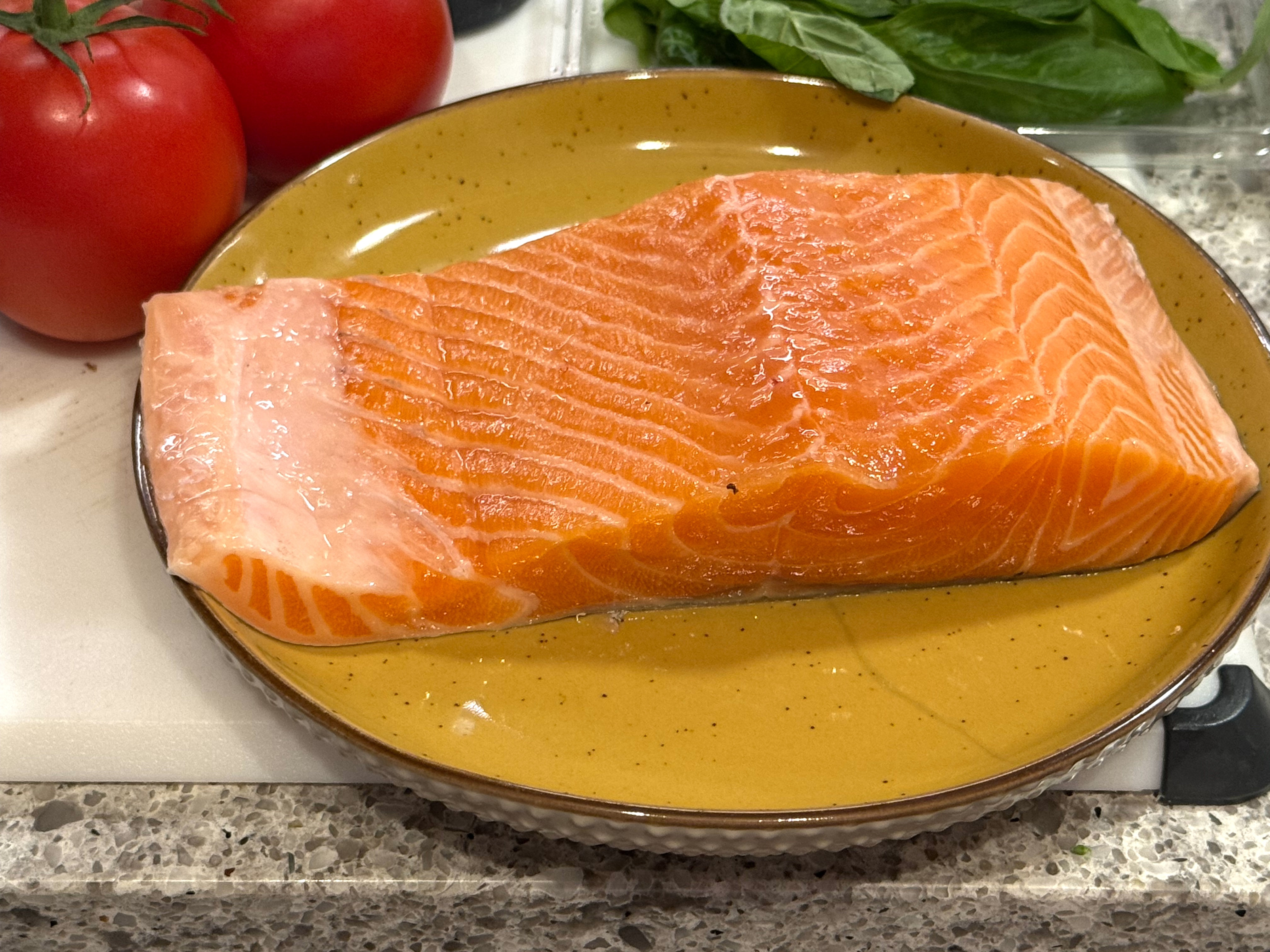
A fresh slice of wild caught, never farmed Salmon…here’s a healthy recipe that adds an “herby feta” to the mix!
And one more for you: fresh salmon with roasted Leeks!
See the recipe here:
It’s your site for all things food – if you like what you see, please click on my link and follow this blog as well!
If you like this story, share it with friends on social media!
Categories: Bite Eat Swallow, Bite! Eat! Repeat!, Books / Media, Food, Food Travel, Food Writing, Travel


Shocking indeed, and sadly widespread in the UK. But that intense farming is not reflected in the price. Buying salmon in the supermarket is now a ‘luxury item’ for me, to the extent that I have stopped buying it completely. And not just because of the high price, but also the laughably small portions offered for sale at those inflated prices. I am voting with my wallet as far as salmon is concerned. Shared on Twitter, John.
Best wishes, Pete.
Pete, great points indeed…have a great weekend!
Thanks for sharing John! It’s important to tell the story of fish farming or aquaculture and talk about its disadvantages: the use of antibiotics, the miserably life of the fish, the polution, the parasites and the impact on the overall ecosystem. We need to eat less meat and be prepared to pay more.
Agree on all counts – as more and more of our world’s supply of food is harvested with no concern for sustainability, people can make small changes that can have a huge difference…and of course continue to work on more sustainable food sources that are grown and harvested responsibly1. Thanks for the note, always great to hear from you!